Disney ParksWalt Disney World
The Genius Illusion: How Disney Is Secretly Transforming Old Rides Into “New” Attractions on a Budget
Theme park expansions are an incredibly expensive, time-consuming game of high stakes. To keep attendance numbers high and satisfy vacationers demanding the next big thing, operators have historically relied on a straightforward strategy: demolish old infrastructure, clear acreage, and spend hundreds of millions of dollars building a massive E-ticket attraction from the ground up.

But as noted in a recent analysis by theme park industry expert Megan DuBois for Forbes, The Walt Disney Company has quietly mastered a brilliant pivot in its theme park strategy. Instead of exclusively breaking ground on multi-year, billion-dollar land expansions that disrupt theme park operations, Disney is leaning heavily into a hyper-efficient “refresh and reimagine” blueprint.
By taking iconic, aging ride frameworks and giving them comprehensive structural, technological, and narrative overhauls, Disney is managing to create the illusion of brand-new attractions. This strategic shift allows the company to maximize marketing buzz, keep construction costs remarkably low, and safely bypass the toxic online fan backlash that typically accompanies the destruction of a classic park landmark.
The Economics of Expansion: Ground-Up vs. The Budget-Friendly Blueprint
To understand why Disney’s strategy to refresh older attractions is working so beautifully in their favor, one must first look at the stark economic realities of modern theme park development.
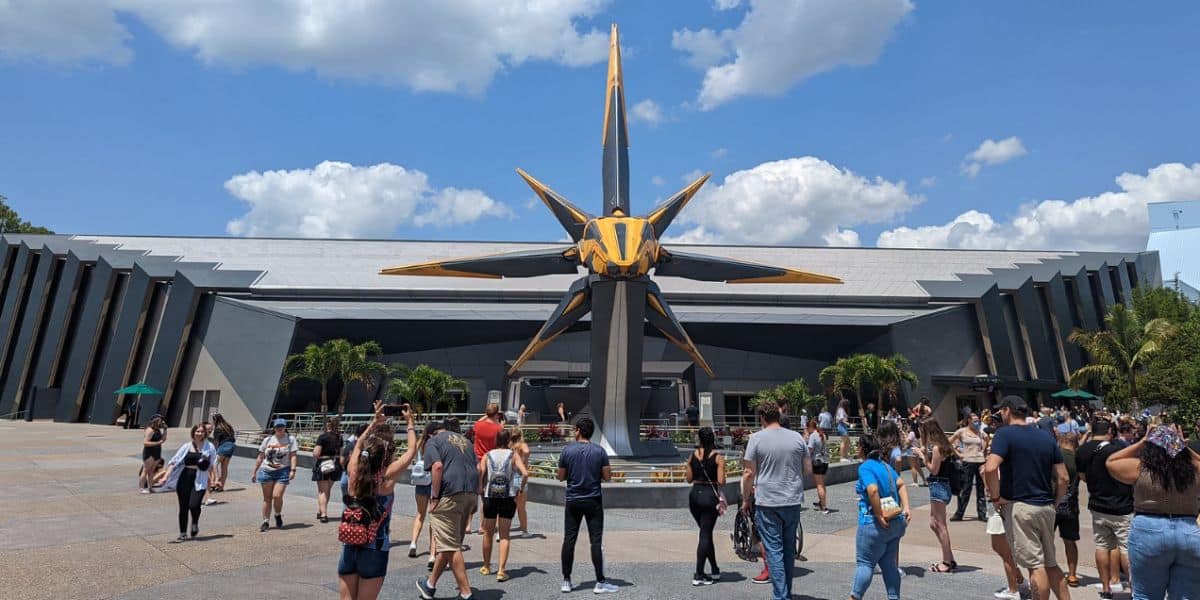
Building a ground-up mega-attraction like Star Wars: Rise of the Resistance or Guardians of the Galaxy: Cosmic Rewind is a financial and logistical nightmare. These massive E-ticket rides require half a billion dollars or more in capital, extensive excavation, complex ride system testing, and four to six years of active construction behind unsightly walls. During those years, guests often feel the strain of a park under construction without experiencing any immediate payoff.
In contrast, the “Budget-Friendly Blueprint” focuses on utilizing existing real estate and infrastructure. Retracking a roller coaster, updating ancient hydraulic animatronics to advanced electric variants, or applying a fresh intellectual property (IP) skin to an operational ride footprint costs a mere fraction of what a new build would.
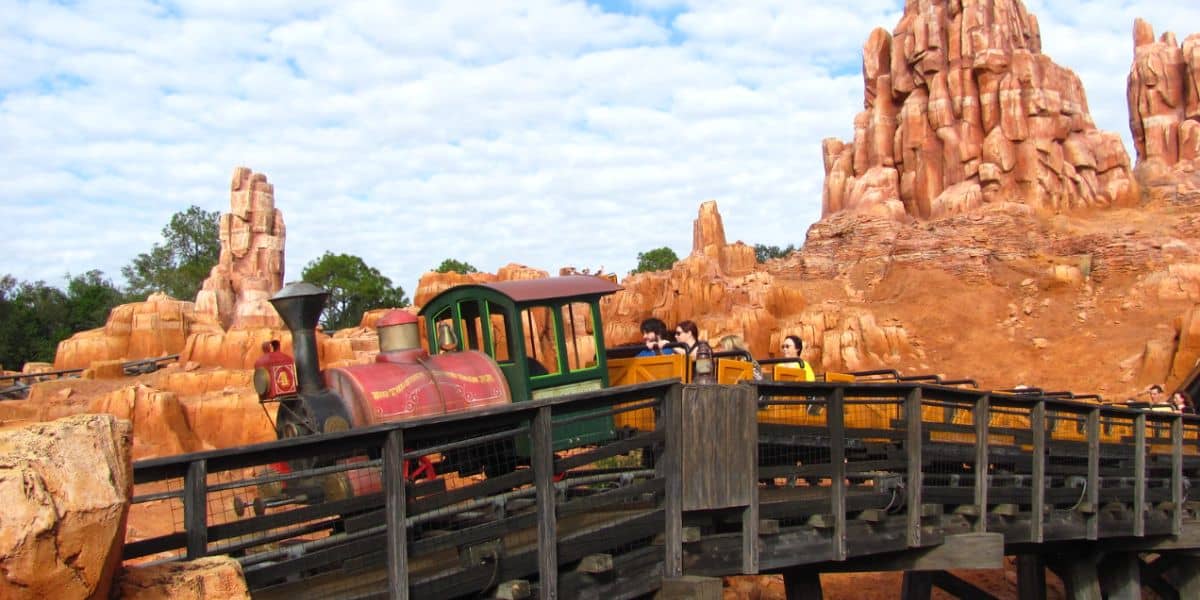
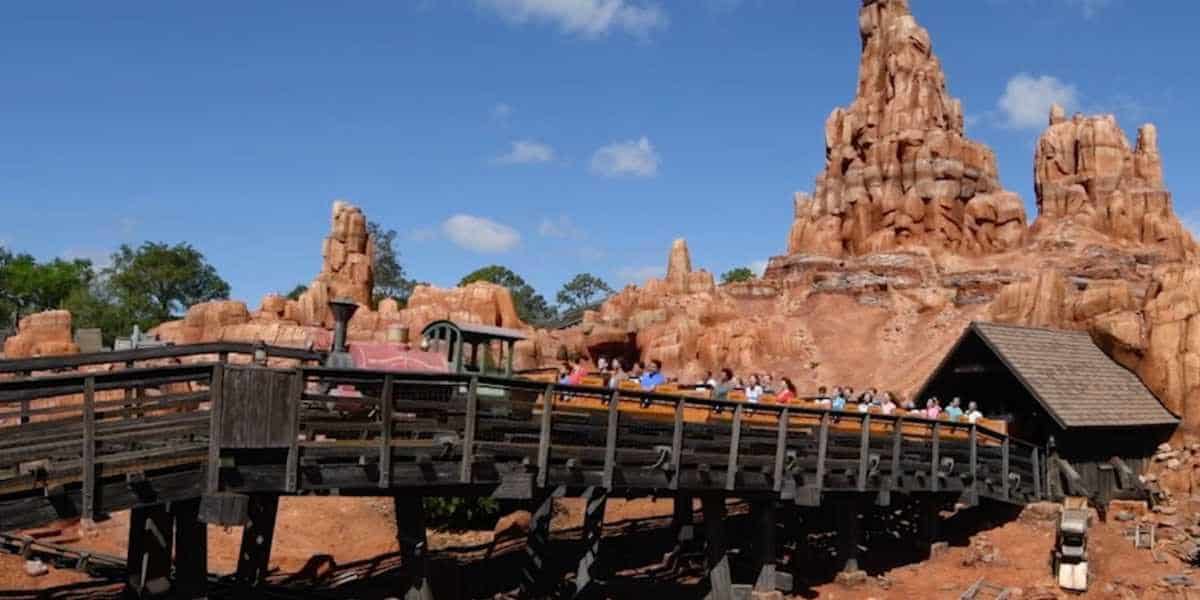
Take the major 2026 overhaul of Big Thunder Mountain Railroad at Magic Kingdom, which featured an extensive mountain-to-cavern structural restoration and complete track replacement. The ride mechanism remained conceptually identical, but the physical ride experience was restored to a flawless, modern standard. By keeping the foundation, utility lines, and ride layout intact, Disney saves hundreds of millions in engineering costs while ensuring the ride can be updated in a fraction of the time.
Crafting the “New-To-You” Illusion
The real marketing genius of Disney’s refurbishment push lies in how these overhauls are presented to consumers. To a casual guest or a family planning a once-in-a-decade Walt Disney World vacation, a heavily refreshed ride is indistinguishable from a brand-new attraction.
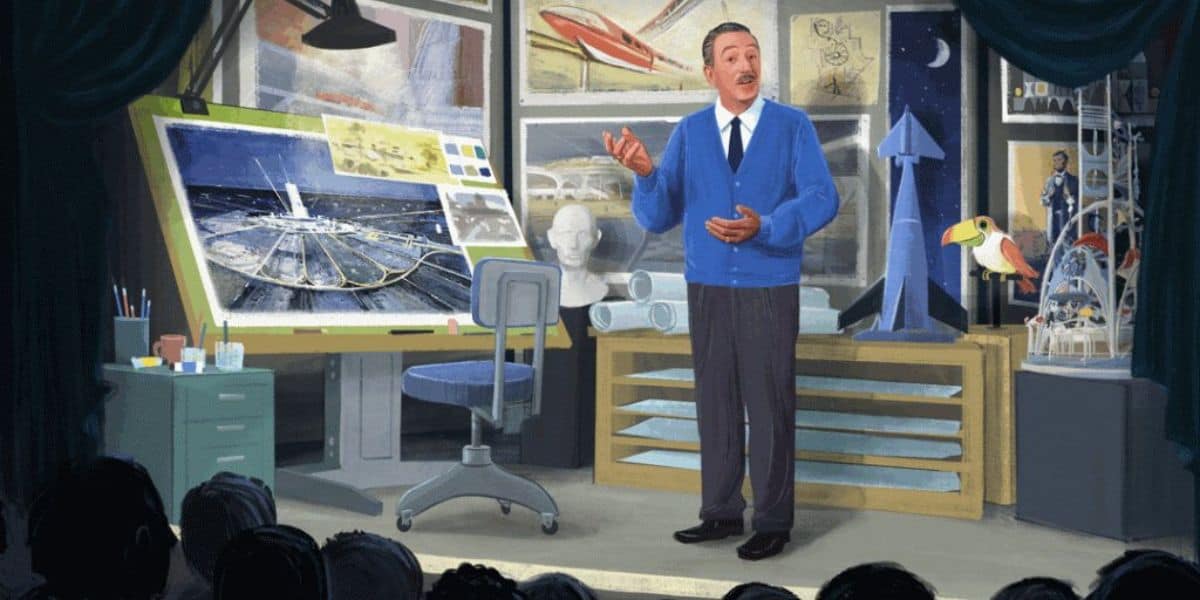
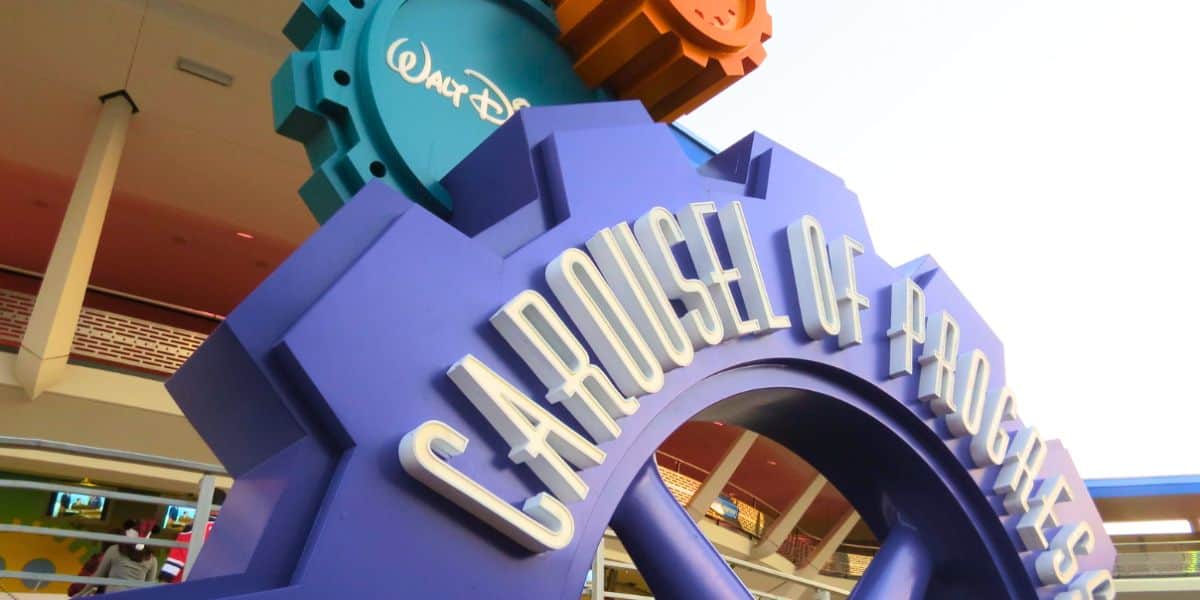
A prime example of this is the massive 2027 reimagining announced for Walt Disney’s Carousel of Progress. Rather than tearing down the historic rotating theater—which would require clearing massive sections of Tomorrowland—Imagineering is performing a complete temporal rewrite. The stale turn-of-the-century acts are being phased out in favor of a 1960s-to-future timeline, featuring a history-making Walt Disney Audio-Animatronic host.
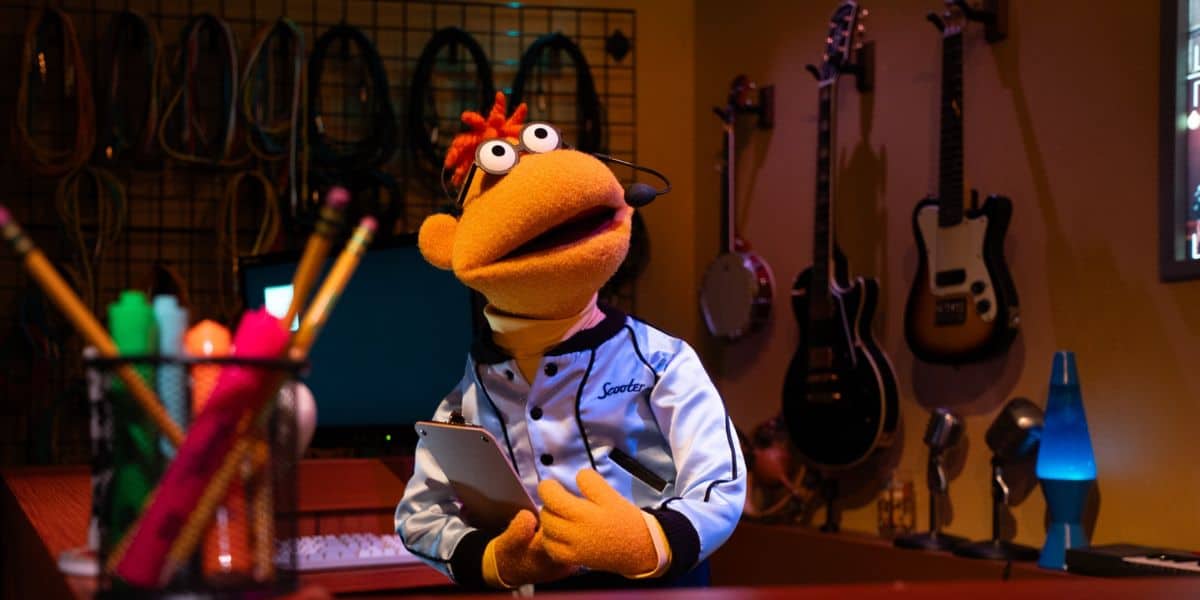
Similarly, the transformation of Disney’s Hollywood Studios’ coaster into Rock ‘n’ Roller Coaster Starring The Muppets acts as a major crowd-puller. The high-speed launch mechanism and layout are completely unchanged, but the introduction of Dr. Teeth and The Electric Mayhem breathes entirely new life into the asset.
Disney can plaster these overhauls across travel blogs, social media campaigns, and television advertisements as “All-New Experiences.” This drives an immediate surge in vacation bookings and theme park ticket sales, giving Disney the same commercial injection as a brand-new ride without the accompanying financial strain.
Navigating the Minefield of Disney Fan Backlash
Theme park traditionalists are notoriously fiercely defensive of park history. When Disney announces that a classic ride is hitting the chopping block, social media routinely erupts into a toxic public relations firestorm. The emotional attachment fans hold for decades-old experiences makes replacing them a massive corporate risk—as evidenced by the prolonged online debates surrounding the transformation of Splash Mountain into Tiana’s Bayou Adventure.

Disney’s updated refresh strategy completely neutralizes this PR minefield. Instead of erasing history, Disney frames these projects as an act of loving preservation.
When Disney announced the update to Carousel of Progress, purists were initially terrified. However, by explicitly confirming that the core family, the practical special effects, and the legendary Sherman Brothers anthem “There’s a Great Big Beautiful Tomorrow” would remain completely intact, Disney successfully pacified the traditionalists. The fandom’s relief that the ride wasn’t being bulldozed for a temporary movie franchise quickly turned into widespread praise for the company’s reinvestment.
The strategy creates a perfect cultural compromise: nostalgic purists are satisfied that the attraction’s soul has been saved from the wrecking ball, while modern guests receive a highly polished, relevant, and visually stunning experience that leverages current theme park technology.
Future-Proofing the Parks for the Next Generation
Ultimately, Disney’s pivot toward refreshing classic attractions is an essential exercise in future-proofing. As properties like Magic Kingdom and Disney’s Hollywood Studios age, their older attractions naturally become maintenance liabilities. Parts for 30- or 40-year-old ride systems become impossible to source, causing frequent breakdowns and spiking operational costs.
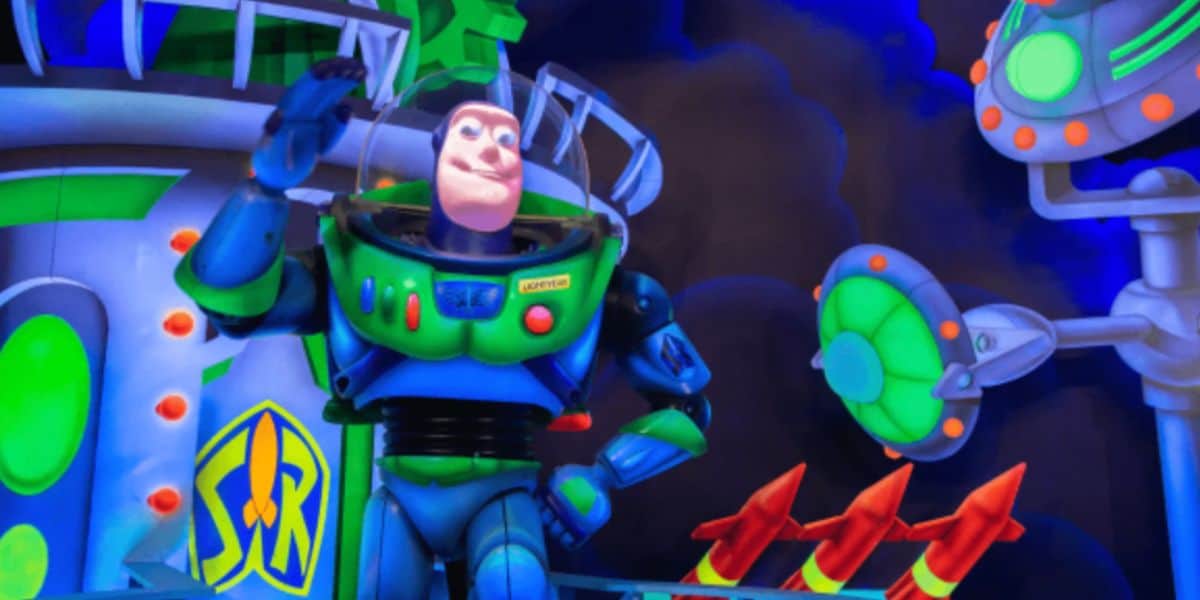
By stepping in with systematic overhauls—such as the recent structural refreshes given to Buzz Lightyear’s Space Ranger Spin—Disney wipes the maintenance slate clean. They replace outdated software, install energy-efficient lighting, and drop in advanced electric animatronics that require far less daily upkeep.
As theme park competition intensifies across Central Florida, Disney’s ability to rapidly deploy high-quality, “new-to-you” experiences across its parks ensures it can maintain dominant attendance numbers. It is a masterclass in corporate efficiency: by looking inward at the treasures they already own, Disney is securing a great, big, beautiful tomorrow for their profit margins and their guests alike.